
Welcome to the wonderful world of collecting! This guide from Oddities.co.za is here to help you navigate the thrilling journey of finding, identifying, and cherishing your unique treasures.
Counterfeit collectibles are a growing problem — especially online. As a specialist South African retailer, we've put together this guide to help you identify fakes before you buy. Every product sold by Oddities Unboxed is 100% authentic.
✦ Our Promise
All products stocked by Oddities Unboxed are sourced directly from authorised distributors. We never knowingly stock counterfeit goods.
❌ Spotting Fake
The value of an item is often tied to its rarity, condition, and desirability within a specific community. Here’s what to look for:
✦ Rarity: Was it a limited edition? A convention exclusive? Items with low production numbers are highly sought after.
✦ Condition: The better the condition, the more valuable an item is. Collectors often use grading scales (e.g., Mint, Near Mint).
✦ Historical Significance: Does it connect to a significant pop culture moment, movie, or series?
✦ Completeness: For sets or items with accessories, having all original components significantly increases value.
🔍 Spotting Fakes and Reproductions: Don't Get Fooled!
One of the biggest challenges for collectors is identifying reproductions or outright fakes. Always do your research and use these tips:
❌Real Deal vs. Cheap Copy: The Tell-Tale Signs
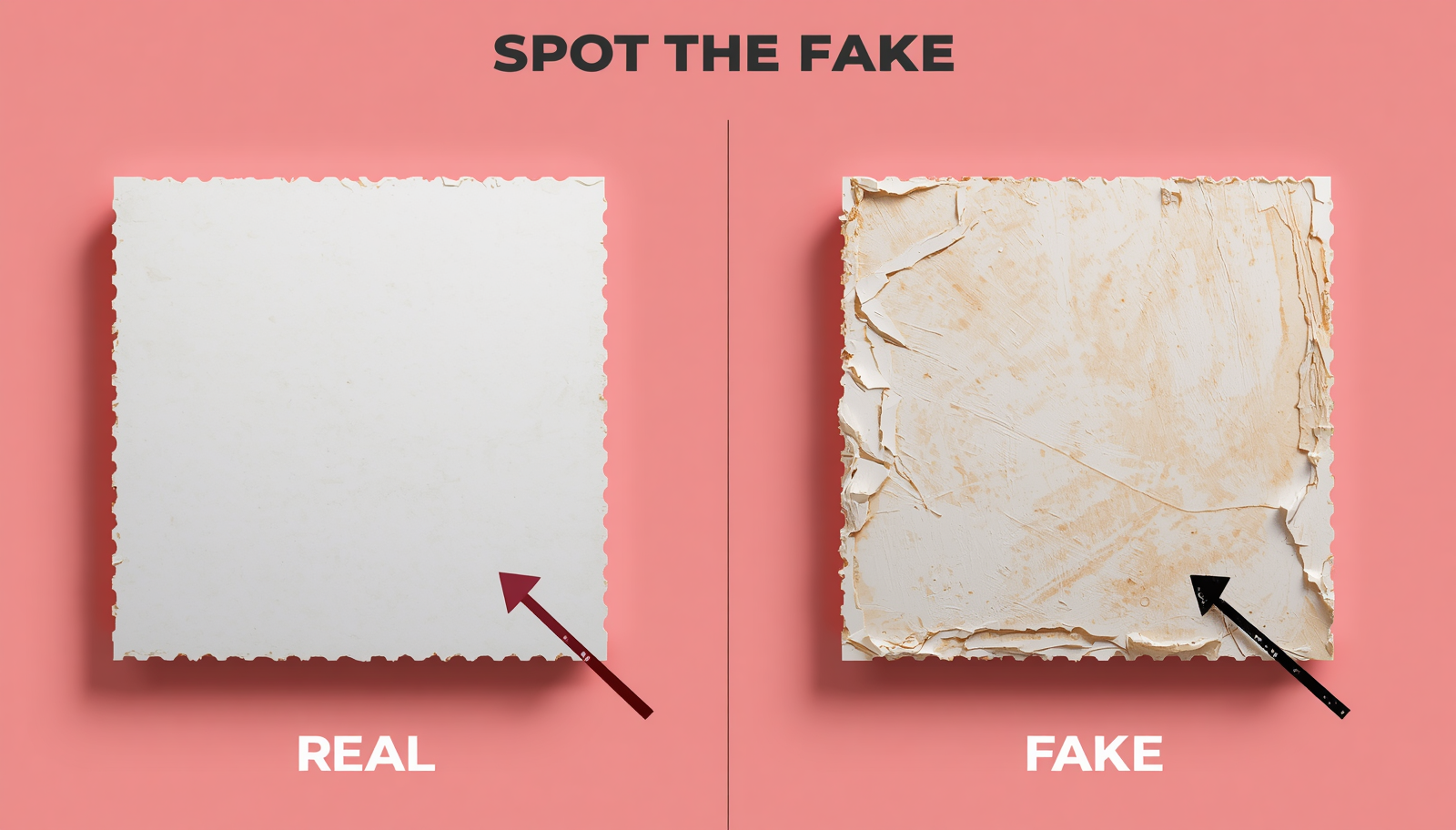
🧱 Spotting Fake LEGO® Sets
✦ Look for the LEGO Logo: Every genuine Lego piece has the LEGO logo stamped on the top of the studs. This is the most reliable way to check authenticity.
✦ Check Plastic Quality: Genuine Lego bricks are made from high-quality plastic with consistent colours and a solid feel. Counterfeits often use inferior plastic that feels lighter, has poor colour matching, and may be discoloured.
✦ Inspect the Minifigures: Genuine minifigures have high-quality printing on the head, torso, and legs. Fakes often have blurry or misaligned printing.
✦ Verify Completeness: When buying a used set, check for missing pieces. Consult online inventories to ensure all parts are present, especially rare or unique ones.
✦ Original Box and Instructions: While not essential, having the original box and instructions in good condition adds to the set’s value.
✦ ⚠ Red Flag
Sets sold in plain brown boxes, without LEGO Group branding, or shipped loose are almost always counterfeit. Report these to the LEGO Group at consumerservice@lego.com.
🧱 Spotting the Counterfeit Lego
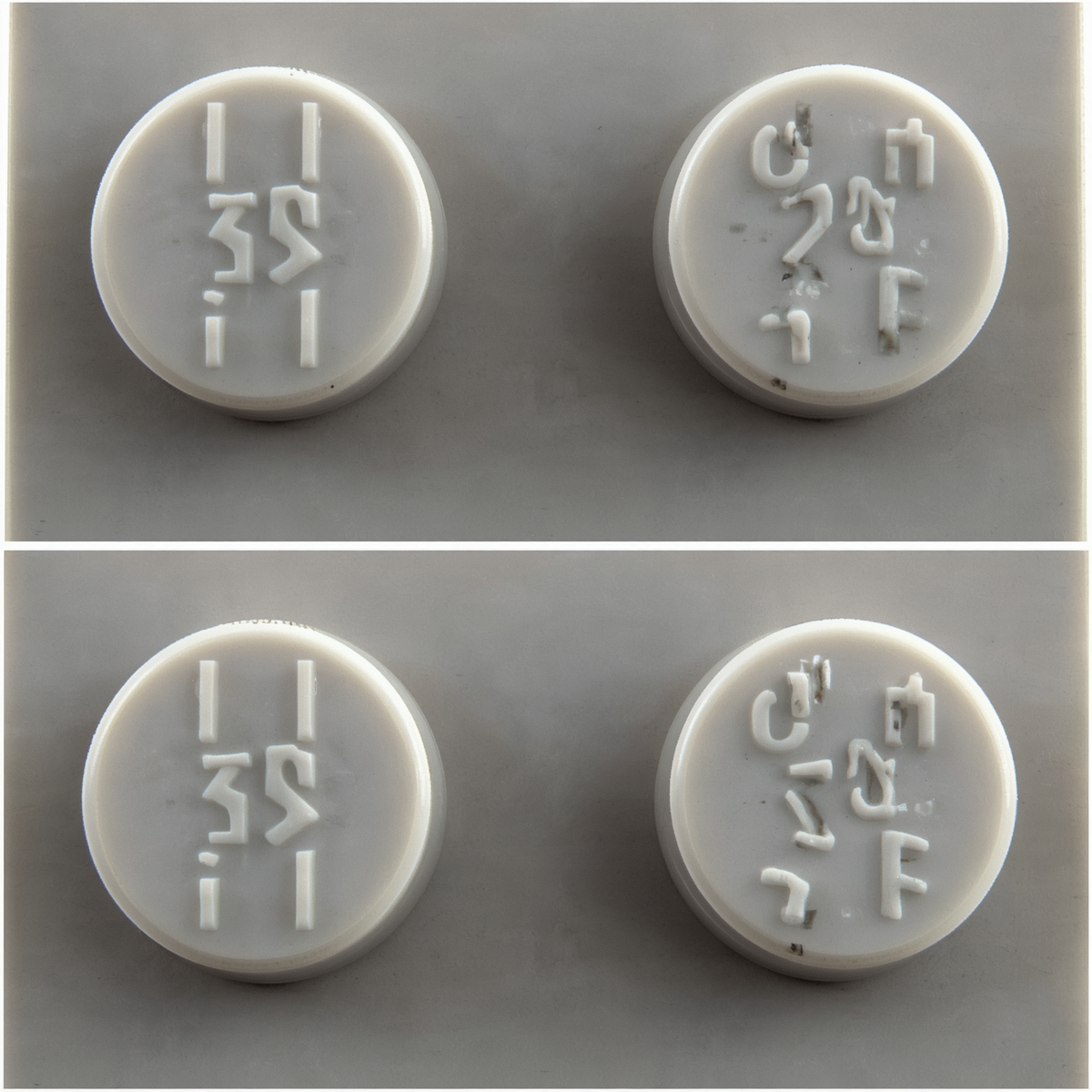
Funko fakes have become increasingly sophisticated. Key things to check:
✦ Check the Box: Authentic boxes are sturdy with high-quality, crisp printing and vibrant colours. Look for blurry images, misspelled words, or flimsy cardboard.
✦ Examine the Funko Logo: The logo and font should be correct and properly aligned. Cross-reference with official products.
✦ Look for a Serial Number: Newer Pop! figures have a serial number stamped on the bottom of both the box and the figure’s foot or base. These numbers should match.
✦ Inspect the Paint Job: Genuine figures have clean, detailed paintwork with minimal smudges, streaks, or colour bleeding.
✦ Feel the Figure: Authentic figures feel solid and have a certain weight. Fakes are often made of cheaper, lighter materials and may feel hollow.
✦ Be Wary of the Price: If a rare Pop! is offeed at an unbelievably low price, it’s a major red flag.
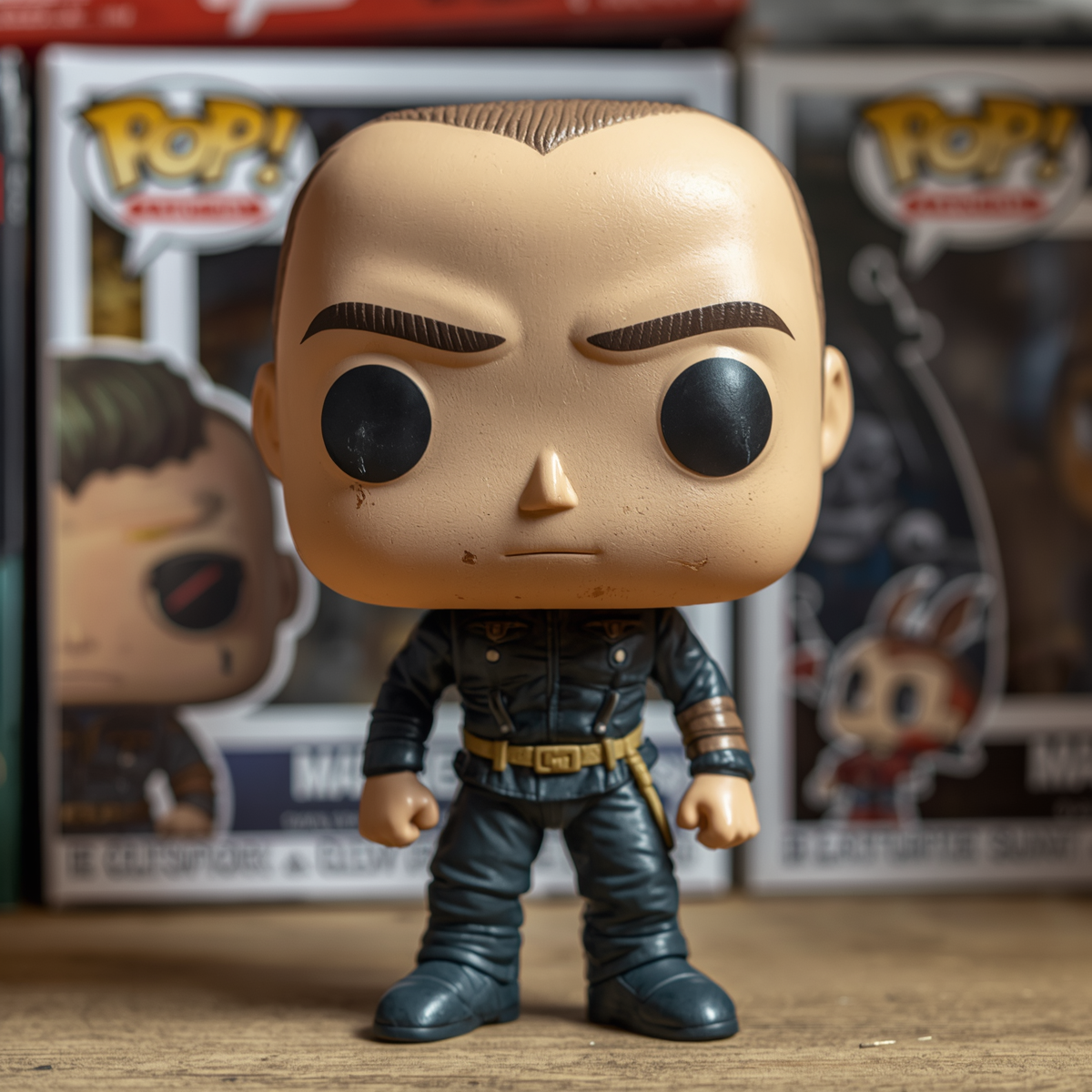
🦊Funko Pop! Counterfeit Check
✦ Check Print Quality: Authentic cards have crisp, clear text and images. Fakes often have blurry text and dull or faded colours.
✦ Feel the Cardstock: Genuine cards are printed on high-quality cardstock with a distinct texture and weight. Fakes may feel too thin, too thick, or overly glossy.
✦ Use the Light Test: Hold the card up to a bright light. Authentic cards are typically opaque and don't let much light through.
✦ Examine Security Features: Look for holograms, special foil effects, or unique patterns that are difficult to replicate.
✦ Check the Font and Spelling: Counterfeit cards may have different fonts, inconsistent text spacing, or even spelling errors.
🃏The Off-Center Giveaway: Uneven Borders
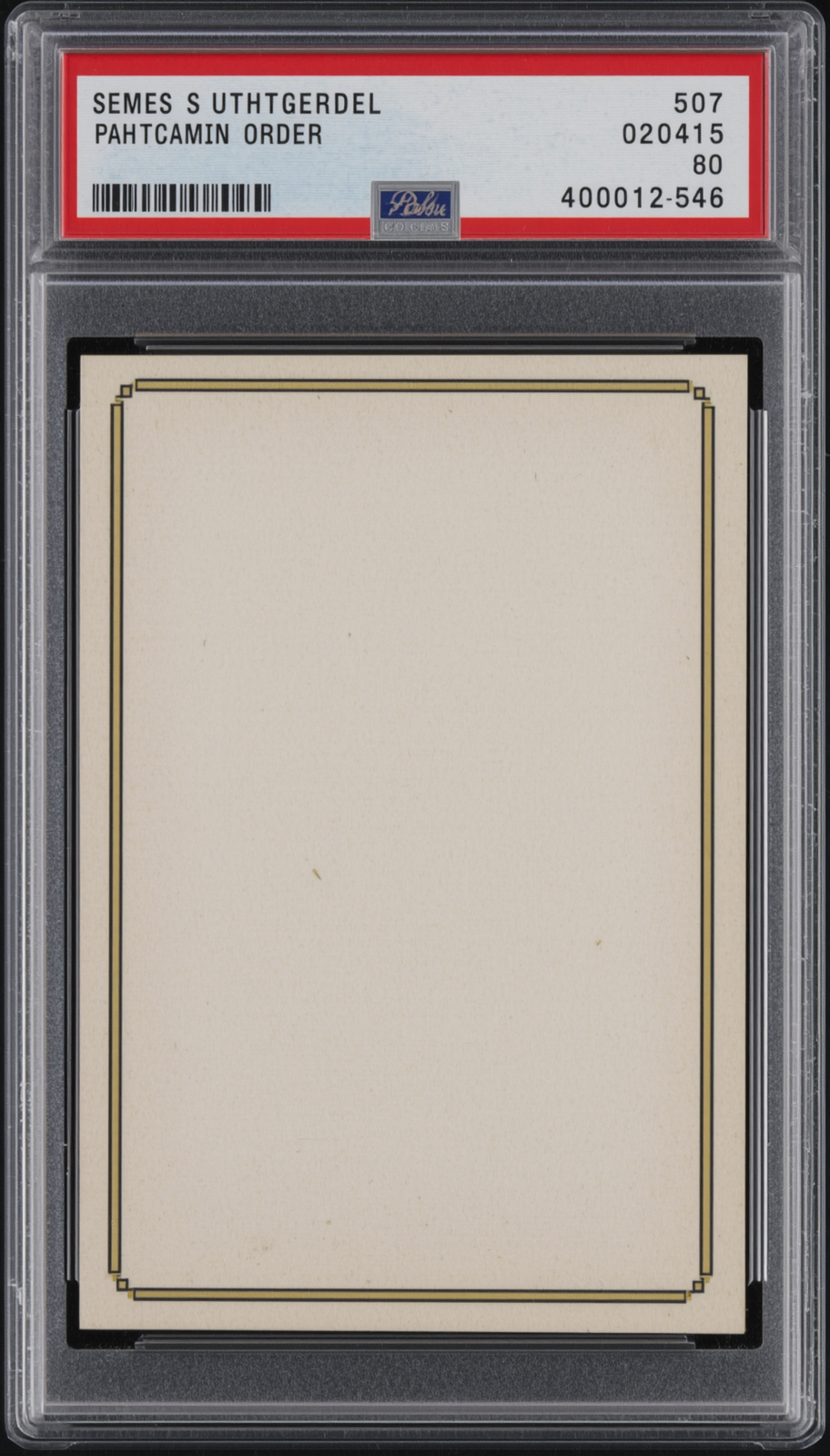
Those little pieces of paper and plastic can tell you a lot!
✦ Manufacturer/Brand Labels: These identify who made the item. They can include logos and names.
✦ Condition Stickers/Grades: This is especially common with graded trading cards and figures. A grade from a professional authenticator (like PSA or CGC for cards) is a key indicator of authenticity and value.
✦ Exclusive & Special Edition Stickers: For Funko Pops, stickers on the box (e.g., “Chase,” “Exclusive,” or “Glows in the Dark”) add to the item’s rarity and value. Be sure the sticker’s quality and placement are correct.
✦ Barcode/Serial Numbers: These can be used to cross-reference an item with official databases or apps to verify authenticity.
✦ Price Tags: Often from previous sales, these can sometimes offer clues about an item’s history or previous value.
Becoming a skilled collector is an art! Here’s how to sharpen your focus:
✦ Originality: Is the item complete with all its original parts? Has it been restored? Original condition is often preferred.
✦ Market Trends: Stay informed! Follow collector forums and auction results to understand what’s in high demand.
✦ Niche Interest: What are you passionate about? Collecting is more rewarding when you focus on items you genuinely love. This also helps you become an expert in your chosen field.
💡 When in Doubt
If you've purchased a suspicious item elsewhere and want a second opinion, feel free to contact us. We're happy to help collectors verify their purchases — no charge.